
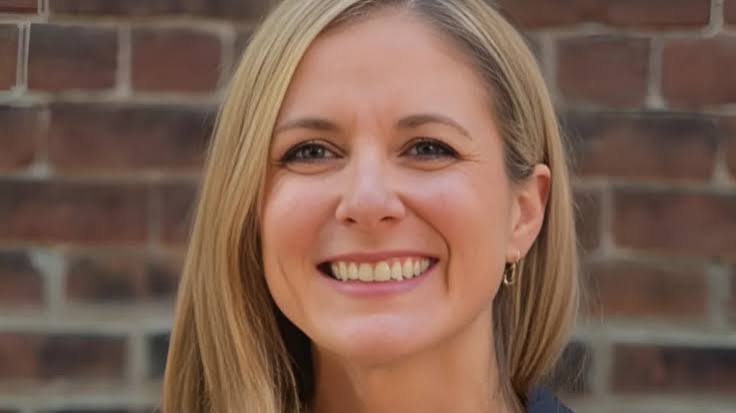
Interest in Devon Flanagan surged after a widely publicized incident involving the Rhode Island prosecutor drew national media attention. Body-camera footage, official statements, and court proceedings quickly made the case one of the state’s most discussed legal stories.
While much of the public attention has focused on the arrest itself, many readers are also asking a broader question: Who is Devon Flanagan, and what happened afterward?
This article provides a fact-checked overview of her legal career, the events that brought her into the spotlight, the official response from Rhode Island authorities, and the latest developments based on publicly available information.
Who Is Devon Flanagan?
Devon Flanagan, also known in some court records and news reports as Devon Flanagan Hogan, is a Rhode Island attorney who served as a Special Assistant Attorney General within the Rhode Island Attorney General’s Office.
Before becoming the subject of national headlines, Flanagan worked as a prosecutor responsible for representing the state in criminal cases. Like other assistant attorneys general, her role involved handling prosecutions, appearing in court, and working alongside law enforcement agencies during criminal investigations.
Although she had maintained a relatively low public profile throughout most of her legal career, that changed dramatically after an incident in Newport, Rhode Island, received widespread media coverage.
Unlike public officials who regularly maintain an online presence, little verified information has been released regarding Flanagan’s private life. Most publicly available information relates to her professional role and the legal proceedings that followed the Newport incident.
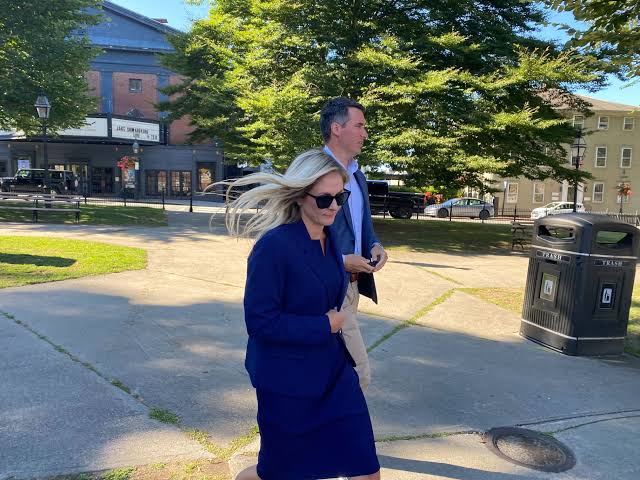
Devon Flanagan at a Glance
| Detail | Information |
|---|---|
| Full Name | Devon Flanagan (also reported as Devon Flanagan Hogan) |
| Profession | Attorney |
| Position | Special Assistant Attorney General |
| Employer | Rhode Island Attorney General's Office |
| Known For | Rhode Island trespassing case and body-camera footage |
| State | Rhode Island |
| Status | Returned to work in a reassigned role following disciplinary action |
Devon Flanagan’s Legal Career
Before becoming the focus of national news, Devon Flanagan built her career within Rhode Island’s legal system.
As a Special Assistant Attorney General, prosecutors are expected to:
- Represent the state during criminal prosecutions.
- Work closely with police departments.
- Review criminal investigations.
- Present evidence during court proceedings.
- Uphold ethical standards expected of government attorneys.
Government prosecutors occupy positions of public trust because they exercise significant authority in the criminal justice system. For that reason, their conduct—both inside and outside the courtroom—often receives greater public scrutiny than that of private attorneys.
Until 2025, Flanagan’s name rarely appeared in national news coverage. Instead, she was primarily known within Rhode Island’s legal community through her work on criminal prosecutions.
Why Did Devon Flanagan Become National News?
The attention surrounding Devon Flanagan began after an incident outside Clarke Cooke House, a well-known restaurant in Newport, Rhode Island.
According to police reports, officers responded after receiving a complaint involving individuals who allegedly refused requests to leave the property.
During the interaction, officers identified Flanagan as one of the people involved.
The encounter escalated when officers informed the group they could be arrested for trespassing if they continued refusing to leave.
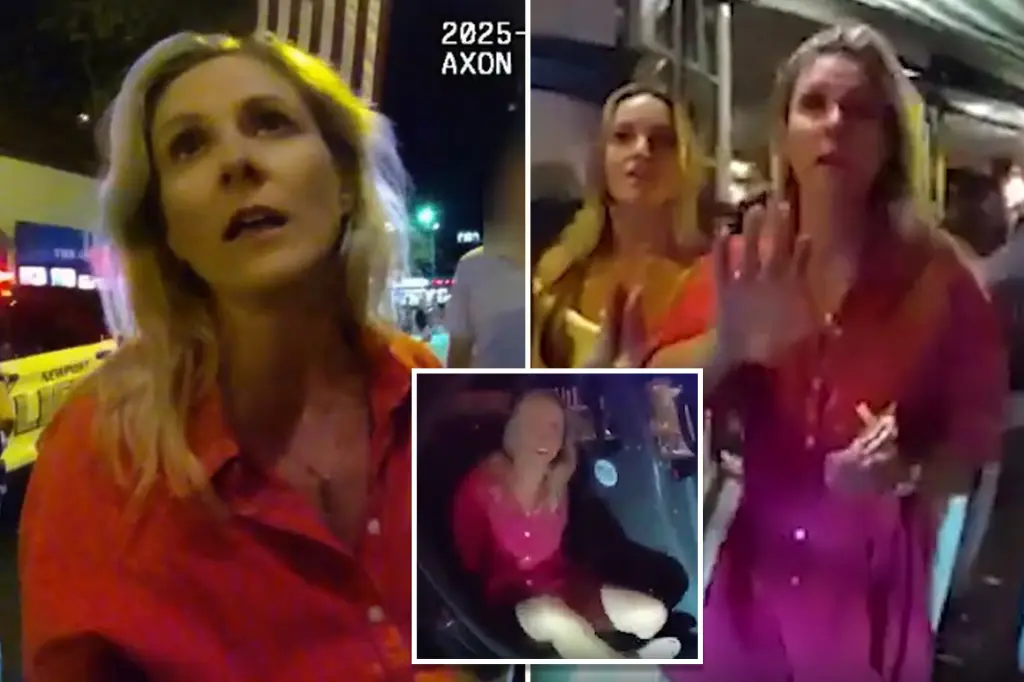
Police body-camera footage later released to the public captured portions of the exchange.
The video quickly spread across television broadcasts, news websites, and social media, leading to significant public interest.
Importantly, much of the attention stemmed not simply from the arrest itself, but because Flanagan was a government prosecutor responsible for enforcing state law.
What Happened During the Arrest?
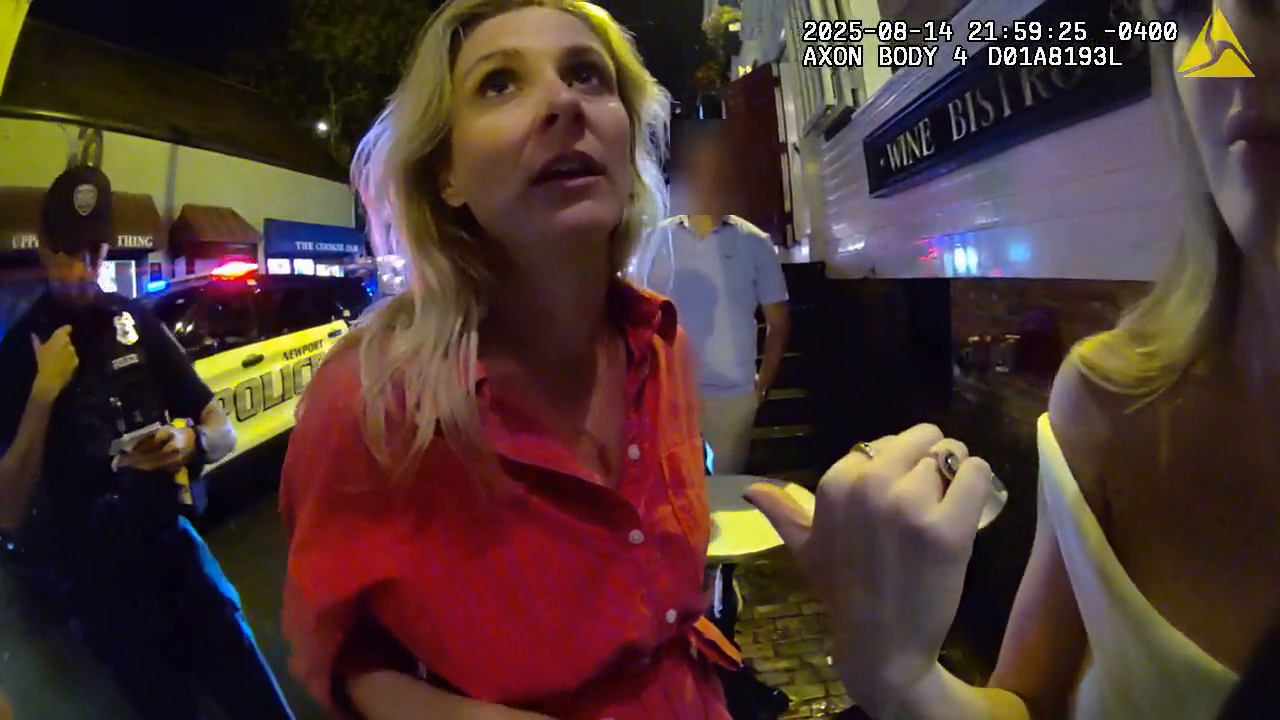
According to police reports and body-camera footage released by authorities, officers attempted to resolve the situation before making arrests.
During the encounter, Flanagan identified herself as working for the Attorney General’s Office and repeatedly stated that she was an attorney.
The footage also captured her asking officers to stop recording with their body cameras. At another point, she told one officer, “You’re gonna regret this,” a statement widely reported by multiple news organizations.
Authorities ultimately arrested Flanagan on a misdemeanor charge of willful trespass.
The release of the body-camera footage became a major reason the case attracted nationwide attention. News outlets and legal commentators discussed not only the arrest itself but also broader questions involving professional ethics, accountability, and public confidence in prosecutors.
Unlike many viral incidents that rely heavily on social media clips, the Devon Flanagan case was documented through official police recordings and court proceedings, allowing the public to review the events through primary evidence rather than speculation.
Why the Case Drew So Much Public Attention
Several factors contributed to the widespread interest in the case:
- She served as a government prosecutor responsible for enforcing criminal laws.
- Police body-camera footage documented the encounter.
- The incident occurred in a public setting.
- Statements captured on video generated extensive media coverage.
- The Rhode Island Attorney General publicly addressed the matter.
- The case raised broader discussions about accountability for public officials.
These factors transformed what otherwise might have remained a local misdemeanor case into a nationally reported legal story.
Attorney General’s Response and Disciplinary Action
Because Devon Flanagan was employed as a prosecutor, the incident prompted an immediate response from the Rhode Island Attorney General’s Office.
Attorney General Peter Neronha issued a public statement criticizing Flanagan’s conduct, saying she had failed to meet the high professional standards expected of government attorneys. He also stated that her actions embarrassed both herself and the Attorney General’s Office.
Rather than terminating her employment immediately, the Attorney General placed Flanagan on six months of unpaid leave while the office reviewed the incident. According to the Attorney General’s statement, the disciplinary action was intended to reflect the seriousness of the matter while allowing time for further evaluation.
The decision generated discussion within Rhode Island’s legal community. Some observers believed the punishment was appropriate, while others argued that prosecutors should be held to an even higher standard because they are responsible for enforcing the law.
Court Proceedings and No-Contest Plea
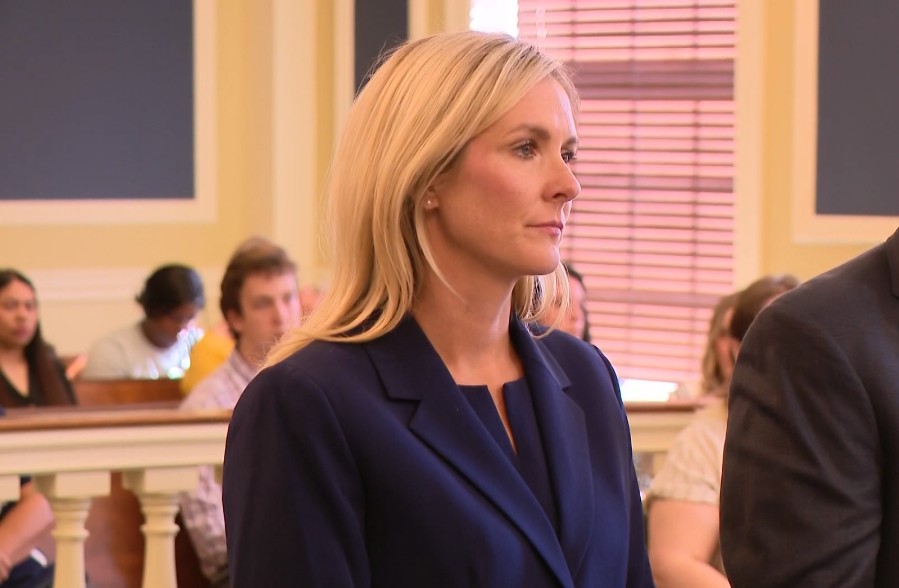
Following her arrest, Devon Flanagan appeared in Rhode Island court to resolve the misdemeanor trespassing charge.
Instead of contesting the allegation at trial, she entered a no contest (nolo contendere) plea to one count of willful trespass. Unlike a guilty plea, a no-contest plea does not admit guilt but accepts that prosecutors have sufficient evidence for a conviction. It is commonly used in misdemeanor cases.
The court ordered:
- A six-month filing, meaning the charge could be dismissed if she complied with all court conditions.
- Payment of court costs.
- An order prohibiting her from returning to the Clarke Cooke House during the filing period.
Her companion, Veronica Hannan, also resolved her case separately through a no-contest plea to a resisting arrest charge, while other charges against her were dismissed.
Did Devon Flanagan Return to Work?
Yes. After completing the six-month unpaid leave, Flanagan returned to the Rhode Island Attorney General’s Office in early 2026.
However, she did not return to the same assignment she held before the incident. According to the Attorney General’s Office, she was reassigned from the Criminal Division’s Appellate Unit to the Providence County Superior Court daily calendar.
Her return attracted renewed media attention because many people expected she might resign or be dismissed. Instead, officials determined that reassignment and disciplinary action were appropriate following the office’s internal review.
Timeline of the Devon Flanagan Case
| Date | Event |
|---|---|
| August 2025 | Newport police respond to a trespassing complaint at Clarke Cooke House. |
| August 2025 | Devon Flanagan is arrested on a misdemeanor willful trespass charge. |
| Shortly afterward | Police release body-camera footage showing the encounter. |
| August 2025 | Attorney General Peter Neronha places Flanagan on six months of unpaid leave. |
| August 2025 | Flanagan pleads no contest to willful trespass. |
| Early 2026 | She returns to the Attorney General's Office in a reassigned position. |
Why the Story Became National News
Ordinarily, misdemeanor trespassing cases receive limited media coverage. This incident became a national story because it involved a government prosecutor whose responsibilities included enforcing criminal laws.
Several factors fueled public interest:
- Body-camera footage provided first-hand documentation of the encounter.
- The incident involved a public official rather than a private citizen.
- Statements made during the arrest were widely reported by national media.
- The Attorney General publicly condemned the conduct.
- The disciplinary decision prompted debate about accountability for government attorneys.
The case also reignited broader conversations about whether prosecutors should face stricter professional consequences for off-duty misconduct than members of the general public.
Public and Legal Community Reaction
Reaction to the case varied.
Some legal professionals argued that prosecutors, who regularly ask courts to hold others accountable, must themselves demonstrate exceptional professionalism at all times. Others viewed the six-month unpaid suspension as a significant disciplinary measure that balanced accountability with the possibility of rehabilitation.
The release of body-camera footage also sparked discussion about police transparency. Flanagan’s request that officers turn off their cameras drew attention because Rhode Island law enforcement agencies generally permit officers—not detainees—to decide whether recording should continue under department policy.
Although opinions differed regarding the disciplinary outcome, there was broad agreement that the incident highlighted the importance of public trust in the criminal justice system.
Separating Facts from Rumors
Because Devon Flanagan became the subject of intense online discussion, numerous rumors circulated after the arrest. It is important to distinguish verified information from speculation.
Verified Facts
- She served as a Special Assistant Attorney General in Rhode Island.
- She was arrested on a misdemeanor willful trespass charge.
- Body-camera footage documented the encounter.
- She entered a no-contest plea.
- She received six months of unpaid leave.
- She later returned to work in a different assignment.
Unverified or Private Information
There is no reliable public evidence confirming:
- Her net worth.
- Her marital status or family details.
- Personal social media accounts.
- Any political affiliations.
- Claims circulating on blogs or social media that are unsupported by official records or reputable news organizations.
For that reason, responsible reporting should focus only on verified public information rather than speculation.
Conclusion
Devon Flanagan’s case became one of Rhode Island’s most widely discussed legal stories because it involved a prosecutor whose conduct was captured on police body-camera footage and scrutinized by the public.
The incident resulted in a misdemeanor trespassing charge, a six-month unpaid suspension, and significant media attention. Flanagan later resolved the criminal case by entering a no-contest plea and, after completing her suspension, returned to the Rhode Island Attorney General’s Office in a reassigned role.
While the viral video shaped public perception, it represents only one chapter of Flanagan’s professional career. The official record shows that the Attorney General’s Office publicly acknowledged the seriousness of the incident, imposed disciplinary action, and ultimately allowed her to resume public service in a different assignment.
As with any high-profile legal matter, it is important to distinguish verified facts from online speculation. Much of the discussion surrounding Devon Flanagan has focused on the arrest video, but reliable reporting relies on official police records, court proceedings, and statements from the Attorney General’s Office rather than rumors circulating on social media.
Frequently Asked Questions
Who is Devon Flanagan?
Devon Flanagan, also known as Devon Flanagan Hogan, is a Rhode Island attorney who serves as a Special Assistant Attorney General. She became nationally known after a 2025 trespassing arrest in Newport, Rhode Island, that was recorded on police body-camera footage.
Why did Devon Flanagan become famous?
She gained national attention after police body-camera footage showed her repeatedly identifying herself as “an AG,” asking officers to turn off their cameras, and warning one officer, “You’re gonna regret this,” during her arrest outside the Clarke Cooke House restaurant in Newport.
What charges did Devon Flanagan face?
She was charged with misdemeanor willful trespass following the August 2025 incident. She later entered a no-contest plea, and the court granted a six-month filing subject to compliance with court conditions.
Did Devon Flanagan lose her job?
No. Instead of being dismissed, she received a six-month unpaid suspension. After serving the disciplinary period, she returned to the Rhode Island Attorney General’s Office in a different assignment.
Is Devon Flanagan still a prosecutor?
Yes. Public statements from the Rhode Island Attorney General’s Office confirmed that she returned to work in early 2026 and was reassigned from the Criminal Appellate Unit to the Providence County Superior Court daily calendar.
Is the body-camera footage publicly available?
Yes. The footage was released by Newport police and has been widely reported by reputable news organizations. It became a major factor in the case receiving nationwide media attention.
What is known about Devon Flanagan’s personal life?
Very little verified information has been made public regarding her family, relationship status, or private life. Reputable news coverage has focused almost exclusively on her professional role and the legal proceedings. Readers should treat unverified claims circulating online with caution.